Types Of Prayers In Islam

Read Time:3 Minute, 32 Second
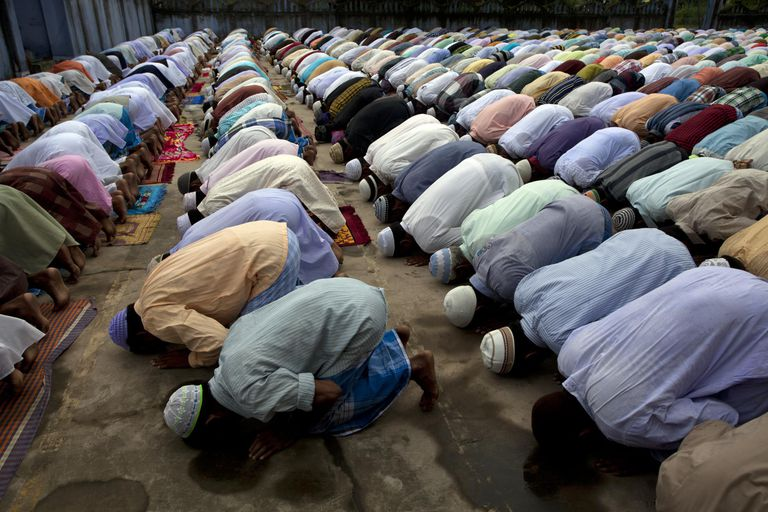
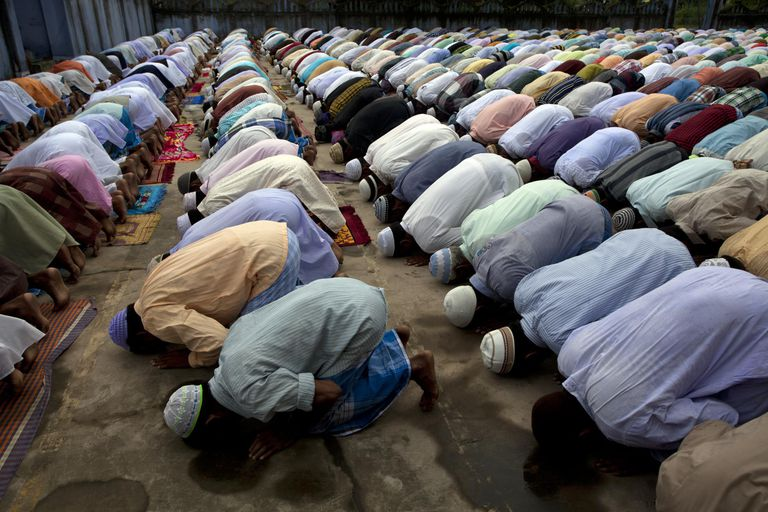
In Islam, praying is the second pillar of Islam, and one of the most important thing in Islam, Prayer mentioned many times in Quran and in Hadith and we can mention Hadith says (the first thing Allah ask the Muslim about is the prayer).
There is a specific rules and regulations, such as timings, frequency and direction, associated with different prayers in Islam.
There are four different types of prayers in Islam, we can go in some details about each category.
1. Fard, or the Obligatory Prayers in Islam
Fard or obligatory prayers are compulsory for every Muslim. Followers of Islam are required to perform five obligatory prayers every day.
a) Salat al-Fajr or Al Sobh (Morning prayer): 2 rakahs (units)
b) Salat al-Zuhr (Noon Prayer): 4 rakahs (units)
c) Salat al-Asr (Afternoon Prayer): 4 rakahs (units)
d) Salat al-Maghrib (Sunset Prayer): 3 rakahs (units)
e) Salat al-Isha (Evening prayer): 4 rakahs (units).
f) Salat al-Jumaa (Friday prayer): 2 rakahs (units). This is instead Noon prayer and only in Friday and it has to be in the Mosque
It is sinful to miss out on performing obligatory prayers intentionally. However, if the prayer is missed due to forgetfulness or some other unavoidable circumstances, then the missed prayer can be offered as soon as possible.
Also there some different rules for in case of traveling
2. Sunnah or Rawateb Prayers in Islam
Sunnah prayers are performed at the same time of Mandatory prayers either before or after or both in some cases. It is not Mandatory means it is not a sin if you didn’t do it, but it is better to do it.
a) Two rakahs before Salat al-Fajr
b) Four rakahs before Salat al-Zuhr and two rakahs after Salat al-Zuhr
c) Two rakahs after Salat al-Maghrib
d) Two rakahs after Salat al-Isha
3. Wajib Prayers, obligatory (not Mandatory) in a situation
Wajib prayers are also obligatory not Mandatory as Fard.
a) Salat al-Witr: Consisting of one or three rakahs, this prayer is performed as the last prayer in the day, following the Hadith of the prophet make the end of your prayer Witr.
b) Salat-al-Eidain, or the Festival Prayers: It includes two rakahs of Eid Ul-Adha and two rakahs of Eid Ul-Fitr. And it has to be performed in a group not indevedualy and it also has small addition to the normal prayer
c) During Tawaf: Two rakahs are also observed while walking around the holy Kaaba for pilgrimage.
d) Salat Al Janaza: This is performed when a brother or a sister in Islam die Muslims should perform a prayer to ask God for mercy on her, and it is very different than the Normal Salat
e) Salat Al Tarawih: a prayer after Evening Prayers in the month of Ramadan, and it is between 8 to 18 Rakaa performed in 2 Rakaa units
4. Nafela or Voluntary Prayers in Islam
Nafela or voluntary prayers are performed for extra virtue, there is a lot of Nafela prayers, including:
a) Salat at-Tahajjud/ Qiuam Alil: Also known as late night prayer, Salat at-Tahajjud is performed in the middle of the night and is considered the most rewarding of all Nafl prayers.
b) Salat Tahiat Al masgid(Mosque Greetings): It is a 2 Rakaa unit prayer performed when you enter any Mosque.
c) Salat ad-Duha: Also known as, it is performed after the Sky getting light until the sun start rising.
d) Salat Al Istekhara: when you are heading to take a decision and you want to ask Allah to help you to take the right decision, it is 2 Rakaa followed by a Doaa (Supplication)
e) Salat Al Haja (Needs Prayer): performed if you want something and you need God Help to do that you perform 2 Raka unit and ask Allah to help you in doing that
f) Al Kosoof and Al Khosof (Sun and moon Eclipse): 2 Rakaa unites.
g) Al Istesqaa (Asking for Rain): 2 Rakaa units with a supplication asking Allah to make sky to rain.


Happy
0 %

Sad
0 %

Excited
0 %

Sleepy
0 %

Angry
0 %

Surprise
0 %
 0
0
 0
0